How to Say Happy Birthday in Italian
Published
Learn how to say happy birthday in Italian with our complete guide, featuring traditional phrases, cultural tips, and beautiful message examples.
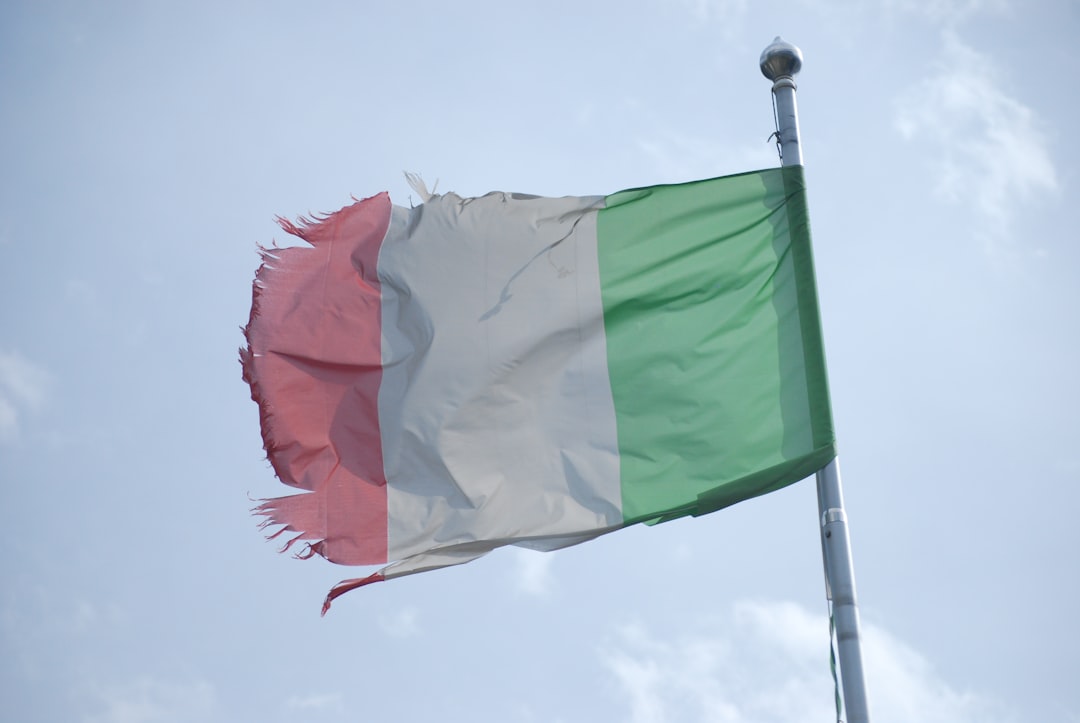
Welcome to the Italian Way of Celebrating Birthdays
Italy is a country renowned for its rich culture, passionate people, and deep appreciation for life's special moments. Whether you are planning to surprise an Italian friend, traveling to Rome for a celebration, or simply wanting to add a touch of European charm to your card, learning how to say happy birthday in Italian is a wonderful gesture. The Italian language is incredibly melodic and expressive, making every greeting sound like a warm embrace.
In this comprehensive guide, we will explore the most authentic ways to express your joy for someone's special day in Italian. From standard phrases to culturally significant traditions, you will discover everything you need to know to make your birthday greetings truly memorable and heartfelt.
The Most Common Ways to Say Happy Birthday in Italian
When it comes to wishing someone well on their birthday in Italy, there are two primary phrases that you will hear everywhere from the bustling streets of Naples to the serene hills of Tuscany. Understanding the nuance of these phrases is the first step in mastering Italian birthday etiquette.
Buon Compleanno
The most direct and literal translation of happy birthday in Italian is Buon Compleanno. The word buon means good, and compleanno translates to birthday. This phrase is universally understood and appropriate for any setting, whether you are speaking to a close family member, a colleague, or an acquaintance. It is classic, polite, and always appreciated.
Tanti Auguri
Interestingly, Italians frequently use the phrase Tanti Auguri (or simply Auguri) to say happy birthday, even though it literally translates to many wishes. This versatile expression is used for various celebrations, including holidays and anniversaries, but when spoken on someone's birthday, it is universally understood as a birthday greeting. It is slightly more enthusiastic and affectionate than Buon Compleanno.
Cento di questi giorni
If you want to sound like a true native, you can use the beautiful phrase Cento di questi giorni. This literally means one hundred of these days. It is a poetic way of wishing someone a long, happy life filled with many more birthdays to come. According to Italian language resources like Treccani, this expression is deeply rooted in Italian cultural history as a blessing of longevity.
7 Beautiful Examples of Italian Birthday Wishes
If you are writing a card or sending a text, you might want to go beyond the basic phrases. Here are seven unique and detailed examples of how to say happy birthday in Italian, complete with English translations and context.
- Tanti auguri di buon compleanno al mio migliore amico! - Many happy birthday wishes to my best friend! This is perfect when you are looking for special friend birthday wishes for meaningful celebrations.
- Ti auguro un compleanno pieno di gioia e amore. - I wish you a birthday full of joy and love. A sweet, standard greeting suitable for family members and close acquaintances.
- Che tutti i tuoi desideri si avverino. Buon compleanno! - May all your wishes come true. Happy birthday! A classic sentiment that translates beautifully across cultures.
- Amore mio, buon compleanno! Sei la cosa più bella che mi sia mai capitata. - My love, happy birthday! You are the most beautiful thing that has ever happened to me. Use this when crafting perfect birthday wishes for a romantic partner.
- Festeggia alla grande! Tanti auguri! - Celebrate big! Many wishes! A fun, casual text message to send to a younger friend or sibling.
- Spero che questo giorno speciale ti porti tanta felicità. - I hope this special day brings you much happiness. A formal yet warm greeting that works well for colleagues or older relatives.
- Un anno in più, ma sei sempre lo stesso. Auguri! - One year older, but you are always the same. Wishes! A slightly teasing, affectionate message for someone who never seems to age.
Fascinating Italian Birthday Traditions
Saying the right words is only half the fun. To truly celebrate like an Italian, you should be aware of a few unique cultural traditions that accompany birthdays in Italy.
The Ear Pulling Tradition (Tirate d'Orecchie)
One of the most charming and slightly surprising Italian birthday customs is the pulling of the ears. Friends and family will gently pull the birthday person's earlobes—one pull for each year of their life. This tradition is meant to symbolize the passing of time and is believed to bring good luck.
Paying for Your Own Party
In many Western cultures, friends take the birthday person out and pay for their meal or drinks. In Italy, the opposite is true! The person celebrating their birthday is expected to host and pay for the dinner, drinks, or party. It is seen as a generous way of sharing your joy and good fortune with the people you love.
Singing the Birthday Song
Italians love to sing, and birthdays are no exception. The melody of the Italian birthday song is identical to the English version, but the words are different. They sing Tanti Auguri a Te. If you want to learn more about how different cultures celebrate through music, check out our ultimate guide to happy birthday songs.
Tips for Writing an Italian Birthday Card
When you are preparing to write a card, remember that Italians value warmth and emotion. Do not be afraid to be expressive. Start with a term of endearment like Caro (Dear, for a male) or Cara (Dear, for a female). Follow it up with your chosen birthday wishes, and sign off with something affectionate like Un abbraccio forte (A strong hug) or Con tanto affetto (With much affection).
Taking the time to write your message in Italian shows a deep level of care and respect for the recipient's culture, which is the greatest gift you can give.
Frequently Asked Questions
How do you sing happy birthday in Italian?
The Italian birthday song uses the same tune as the English Happy Birthday to You. The lyrics are: Tanti auguri a te, tanti auguri a te, tanti auguri a [Name], tanti auguri a te!
What is the difference between Buon Compleanno and Tanti Auguri?
Buon Compleanno literally means happy birthday and is specific to birthdays. Tanti Auguri means many wishes and is a versatile phrase used for birthdays, holidays, and other celebrations, though it is the most common spoken greeting at birthday parties.
Do Italians celebrate name days?
Yes, in addition to birthdays, many Italians celebrate their Onomastico, or name day. This is the feast day of the Catholic saint after whom they are named. On this day, friends and family will also say Tanti Auguri to them.
Conclusion
Learning how to say happy birthday in Italian is a beautiful way to connect with Italian friends, family, or colleagues. Whether you choose the classic Buon Compleanno, the enthusiastic Tanti Auguri, or the poetic Cento di questi giorni, your effort to speak their language will undoubtedly bring a smile to their face. Remember to embrace the cultural traditions, perhaps give a gentle tug on their earlobe for good luck, and most importantly, share the day with genuine warmth and joy. Buon divertimento (have fun) and happy celebrating!