How to Say Happy Birthday in German
Published
Learn how to say happy birthday in German with our complete guide to traditional wishes, pronunciation, and essential cultural etiquette.
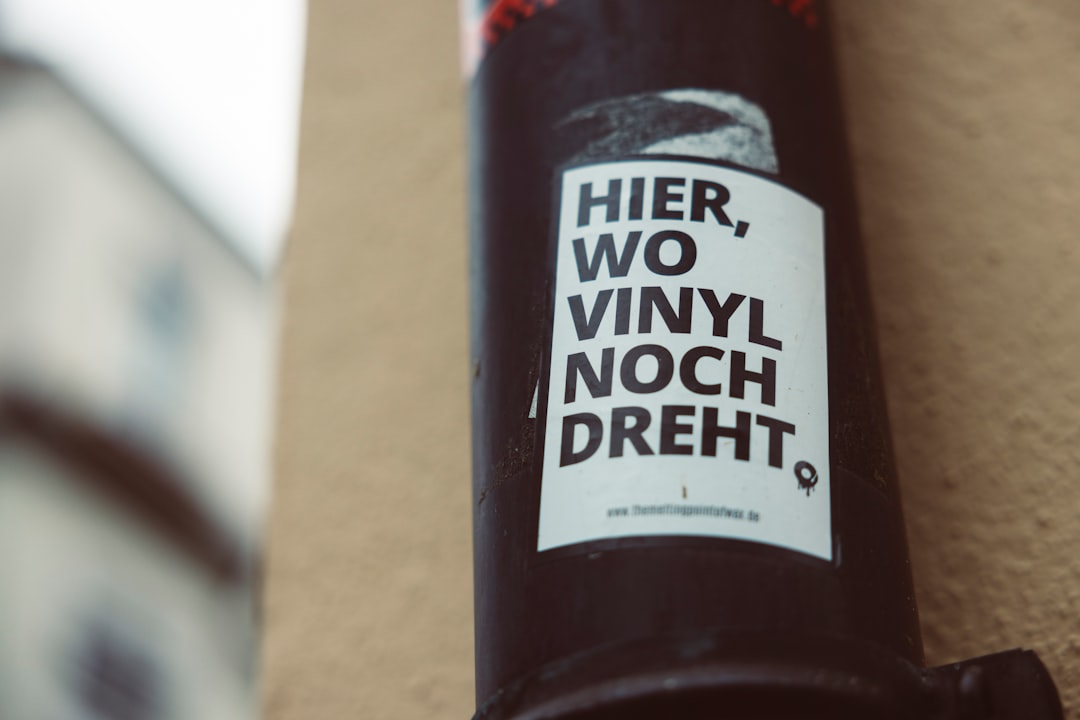
Introduction to German Birthday Wishes
Celebrating a birthday is a joyous occasion around the world, but every culture brings its own unique flavor to the festivities. If you have a German friend, colleague, or family member, learning how to say happy birthday in German is a wonderful way to show you care. Just as you might explore how to say happy birthday in Spanish to connect with Hispanic friends, mastering German birthday greetings opens the door to deeper cultural connections in Central Europe.
German birthday traditions are rich, specific, and sometimes quite strict when it comes to etiquette. In this comprehensive guide, we will walk you through the most common phrases, pronunciation tips, and the golden rules of German birthday celebrations. Whether you are writing a card or giving a toast, you will have the perfect words ready.
The Most Common Ways to Say Happy Birthday in German
When it comes to standard birthday wishes, Germans generally rely on two primary phrases. These are universally understood and appropriate for almost any situation, from casual gatherings to formal office parties.
Alles Gute zum Geburtstag
This is the most popular and versatile way to wish someone a happy birthday in Germany. It translates literally to "All the best for your birthday." It is polite, warm, and fits perfectly in both spoken conversations and written cards. To pronounce it, say: Ah-less goo-teh tsoom geh-boorts-tahg.
Herzlichen Glückwunsch zum Geburtstag
If you want to sound a bit more formal or deeply sincere, this is the phrase to use. It translates to "Heartfelt congratulations on your birthday." You will often see this printed on the front of greeting cards. Pronunciation can be a bit tricky for English speakers: Hairts-lick-en glook-voonsh tsoom geh-boorts-tahg.
Short and Sweet German Birthday Greetings
Sometimes you need a shorter message for a text, a quick social media comment, or a brief toast. Here are seven unique and practical examples of shorter German birthday greetings you can use:
- Alles Liebe zum Geburtstag: This means "Lots of love for your birthday." It is slightly more affectionate than "Alles Gute" and is perfect for close friends and family members.
- Gratuliere: Simply meaning "Congratulations," this is a quick, casual way to acknowledge the day, often used among younger people or acquaintances.
- Viel Glück und Gesundheit: Meaning "Much luck and health." Germans highly value health, so wishing someone good health for their new year of life is a very traditional and appreciated sentiment.
- Feier schön: This translates to "Celebrate nicely" or "Have a good celebration." It is a great sign-off when you are leaving a message for someone who is about to have their party.
- Lass dich feiern: Meaning "Let yourself be celebrated." This encourages the birthday person to sit back, relax, and let others spoil them for the day.
- Ich wünsche dir das Beste: Translating to "I wish you the best," this is a straightforward and kind message suitable for colleagues or casual friends.
- Auf dein Wohl: Meaning "To your health." You will use this when raising a glass of beer or Sekt (German sparkling wine) to toast the birthday person.
Crafting the Perfect Message for Someone Special
When you are writing a card for a specific person, you might want to tailor your message. For instance, if you are looking for the best happy birthday Frau wishes and messages, you can combine traditional German phrases with personal anecdotes. A great formula is to start with "Liebe" (Dear, for a woman) or "Lieber" (Dear, for a man), followed by their name, then your chosen German greeting, and finally a personal wish for their future.
If you need more inspiration on structuring your thoughts, checking out guides on crafting special birthday wishes for loved ones can help you blend English sentiments with your new German vocabulary perfectly.
Crucial German Birthday Etiquette: Never Wish Early!
If there is one thing you must remember from this guide, it is this: Never wish a German a happy birthday before the actual day! In Germany, it is considered bad luck to offer congratulations prematurely. If you know you will not see the person on their actual birthday, it is better to wait and wish them a "nachträglich" (belated) happy birthday rather than an early one.
This superstition is so deeply ingrained that Germans have a specific tradition called "Reinfeiern." This involves gathering on the eve of the birthday and waiting until the clock strikes exactly midnight. Only then will the clinking of glasses begin and the chorus of "Alles Gute zum Geburtstag" ring out. For more insights into German culture and language, authoritative resources like Deutsche Welle offer excellent cultural context.
Exploring Other European Birthday Traditions
Learning about German birthdays often sparks an interest in neighboring cultures. For example, the Netherlands shares some linguistic similarities with Germany, but their traditions differ. If you are curious, you can explore the best happy birthday Vrouw wishes and messages to see how the Dutch celebrate the women in their lives.
No matter which language you are using, the core sentiment remains the same. Sending heartfelt birthday greetings is a universal way of showing appreciation, love, and respect for the people who matter most to us.
Frequently Asked Questions
How do you sing Happy Birthday in German?
Interestingly, Germans often sing the English version of "Happy Birthday to You" at parties. However, there is a popular German birthday song called "Zum Geburtstag viel Glück," which uses the exact same melody as the English song but replaces the lyrics with German words wishing luck and happiness.
What is the literal translation of "Alles Gute zum Geburtstag"?
The literal translation is "All the best for the birthday." "Alles" means all, "Gute" means good/best, "zum" means to the/for the, and "Geburtstag" is the word for birthday (combining Geburt, meaning birth, and Tag, meaning day).
Can I say "Happy Birthday" in English to a German person?
Yes, absolutely! Most Germans speak excellent English, and the phrase "Happy Birthday" is widely understood and frequently used, especially among younger generations and in international workplaces. However, making the effort to say it in German is always highly appreciated.
What do Germans eat on their birthday?
The centerpiece of a German birthday is usually the "Geburtstagstorte" (