15 Stevie Wonder Happy Birthday Facts Today to Inspire Your Celebration
Discover 15 Stevie Wonder happy birthday facts today to inspire your celebration and bring soulful joy to your next special party.
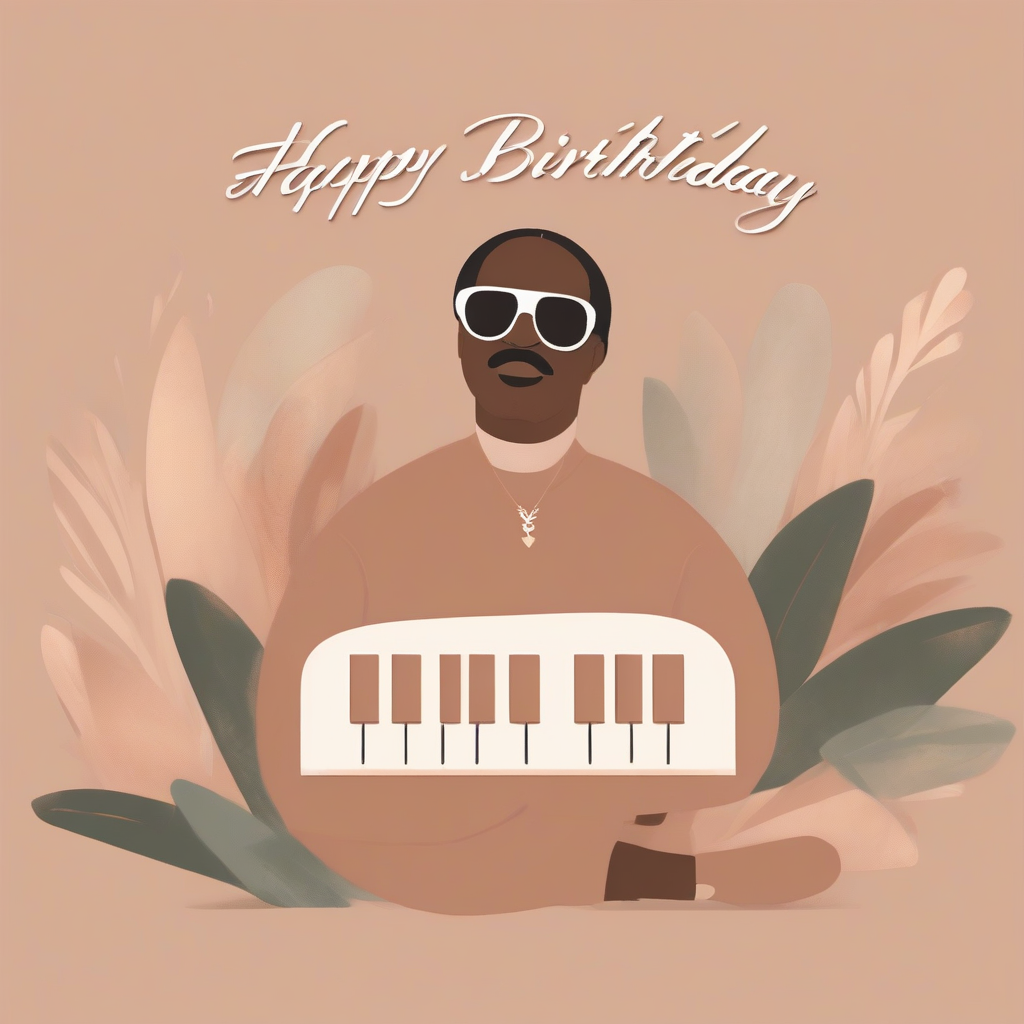
The Soulful Magic of Stevie Wonder's Happy Birthday
When it comes to celebrating another trip around the sun, few songs bring as much joy, rhythm, and historical significance as Stevie Wonder's iconic track. Released in 1981, this masterpiece is much more than just a party anthem; it is a cultural milestone that changed the course of American history. If you are looking to elevate your next celebration, understanding the depth of this song can add a profound layer of meaning to your festivities. Just as you might search for happiest birthday wishes to share with a loved one, adding this classic tune to your playlist guarantees a memorable event.
Whether you are planning a grand party or an intimate gathering, the upbeat tempo and heartfelt lyrics of this classic hit resonate with people of all ages. To help you appreciate this musical gem, we have compiled 15 fascinating facts and ideas surrounding the song. For those who love diving into musical history, you can also explore our collection of English happy birthday song facts to broaden your party trivia.
Historical Significance and Impact
Stevie Wonder did not just write a catchy tune; he sparked a movement. Here are the first five facts detailing the incredible history behind the song.
- 1. A Campaign for MLK Day: The song was specifically written and recorded to campaign for the birthday of Dr. Martin Luther King Jr. to become a national holiday in the United States.
- 2. Hotter Than July: The track was featured on Wonder's 1980 album, Hotter than July, which became one of his most successful records, blending pop, soul, and reggae influences.
- 3. Millions of Signatures: Wonder used the song during a massive rally in Washington, D.C., helping to collect over six million signatures to petition the government for the holiday.
- 4. Legislative Victory: Thanks in large part to the awareness raised by the song, President Ronald Reagan signed the holiday into law in 1983, marking a monumental civil rights victory.
- 5. A Cultural Anthem: Beyond its political roots, the track has become the definitive birthday anthem in many African American households, often played right alongside traditional greetings. If you are curious about other classic tunes, check out these happy birthday song original facts.
Musical Brilliance and Composition
The genius of the track lies in its infectious melody and groundbreaking production. Let us look at the next five facts that highlight its musicality.
- 6. Synthesizer Mastery: The song prominently features the Yamaha CS-80 synthesizer, a hallmark of Wonder's innovative sound during the late 70s and early 80s.
- 7. Joyful Tempo: Clocking in at an upbeat tempo, the rhythm is scientifically designed to get people on the dance floor, making it a staple for DJs worldwide.
- 8. Universal Lyrics: While the verses reference Dr. King's legacy, the chorus is universally celebratory, allowing it to double as a personal greeting for anyone's special day. You can find more inspiration in our happy birthday song lyrics category.
- 9. Global Chart Success: The song was a massive hit internationally, reaching number two on the UK Singles Chart, proving that its message of peace and celebration transcends borders.
- 10. Lasting Influence: The track has inspired countless artists and remains a gold standard for modern pop and R&B production. According to music historians at Billboard, its influence is still felt in contemporary chart-toppers.
Incorporating the Song into Your Party
Now that you know the history, here are five practical ways to use the song to elevate your own celebrations.
- 11. The Grand Entrance: Play the track as the guest of honor walks into the room. The energetic intro sets an immediate tone of excitement and love.
- 12. Cake Cutting Ceremony: Ditch the slow, traditional tunes and blast this upbeat track while the candles are being blown out. It encourages clapping and singing along.
- 13. Live Instrumental Covers: If you are hosting an elegant dinner, consider hiring a musician to play a soulful instrumental version. You can find great inspiration with these happy birthday piano ideas.
- 14. Lyrical Greeting Cards: Quote the uplifting chorus in your birthday cards to add a touch of musical poetry to your written wishes.
- 15. Curated Playlists: Build a custom party playlist around the track. If you need help finding the right audio files, visit our happy birthday song download section to prepare your DJ set.
Conclusion
Stevie Wonder's timeless track is a beautiful reminder that birthdays are not just about getting older; they are about celebrating life, legacy, and the joy of coming together. By understanding the rich history and musical genius behind the song, you can bring a deeper sense of meaning and an undeniable groove to your next party. So, turn up the volume, gather your loved ones, and let the soulful sounds of a true musical legend make your celebration unforgettable.
Frequently Asked Questions
Why did Stevie Wonder write the Happy Birthday song?
Stevie Wonder wrote the song specifically to advocate for Dr. Martin Luther King Jr.'s birthday to be recognized as a national federal holiday in the United States. His musical activism played a crucial role in gathering millions of signatures for the cause.
What album is the song featured on?
The track is the closing song on Stevie Wonder's critically acclaimed 1980 album, Hotter than July. The album was a massive commercial success and helped propel the MLK holiday campaign into the mainstream media.
Can I use this song for a regular birthday party?
Absolutely! While the song has deep historical roots, its joyous, upbeat chorus makes it a perfect, high-energy anthem for any personal birthday celebration. It is widely used at parties around the world to get guests dancing.
When did MLK Day officially become a holiday?
Thanks in part to the awareness raised by Stevie Wonder's song and his subsequent rally in Washington, D.C., President Ronald Reagan signed the bill creating Martin Luther King Jr. Day as a federal holiday in 1983.