Easy Happy Birthday Piano Notes for Beginners
Published
Learn how to play the Happy Birthday song on the piano with our easy notes, chords, and tips to make your loved one's special day unforgettable.
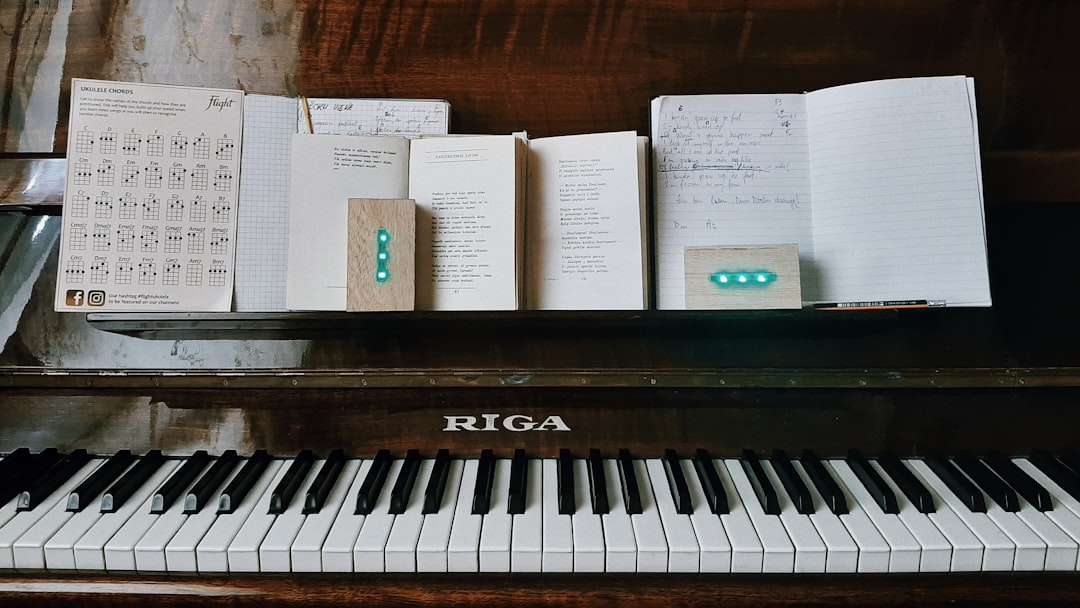
The Perfect Musical Gift: Playing Happy Birthday on the Piano
There is something incredibly magical about receiving a personalized, handmade gift. When it comes to birthdays, taking the time to learn the happy birthday piano notes to play for a friend, family member, or partner is a gesture that speaks volumes. It shows dedication, love, and a desire to make their milestone truly memorable. Pairing a live musical performance with crafting special birthday wishes for loved ones creates an emotional and unforgettable celebration.
Whether you are a complete beginner who has never touched a keyboard or someone returning to the instrument after years away, learning this classic tune is surprisingly simple. In this guide, we will break down the melody, introduce basic chords, and provide practical tips to help you perform with confidence.
The Basic Melody: Right Hand Piano Notes
The easiest way to learn the happy birthday piano notes is to start in the key of C Major. This key is incredibly beginner-friendly because it primarily uses the white keys on the piano. According to experts at Yamaha, starting with C Major helps build fundamental finger dexterity without the complication of sharps and flats.
Here is the simple right-hand melody broken down by lyrics and notes. You will want to locate Middle C on your piano to anchor yourself, but the song actually starts on the G below Middle C.
- Hap-py (G G) Birth- (A) day (G) to (C) you (B)
- Hap-py (G G) Birth- (A) day (G) to (D) you (C)
- Hap-py (G G) Birth- (High G) day (E) dear (C) [Name] (B A)
- Hap-py (F F) Birth- (E) day (C) to (D) you (C)
Practice playing these notes slowly. Do not worry about the rhythm at first; simply focus on pressing the correct keys in the right order. Once your fingers memorize the sequence, the natural rhythm of the song you have heard your whole life will naturally take over.
Adding Depth: Left Hand Chords
Once you are comfortable with the right-hand melody, you can elevate your performance by adding simple left-hand chords. Chords provide harmony and make the song sound full and professional. For the key of C Major, you only need to know three basic chords: C Major, G Major, and F Major.
- C Major Chord: Play the notes C, E, and G together.
- G Major Chord: Play the notes G, B, and D together.
- F Major Chord: Play the notes F, A, and C together.
To put it together, you will play the C Major chord when you land on the word "you" in the first line. Switch to the G Major chord on the second "you." When you sing the person's name, play the F Major chord, and resolve back to C Major on the final "you." It takes a little coordination, but practicing hands separately before combining them is the secret to success.
5 Practical Tips for a Flawless Birthday Performance
Learning the notes is only half the battle. Delivering the song with joy and confidence is what truly makes the moment special. Here are five unique tips to ensure your musical birthday surprise goes off without a hitch.
- Sing Along While You Play: Playing the piano is wonderful, but the magic happens when everyone joins in. If you need a quick refresher on the exact phrasing before the party, review the happy birthday song lyrics so you can lead the crowd confidently.
- Personalize the Introduction: Before you strike the first chord, say a few meaningful words. If you are playing for your child, draw inspiration from heartfelt birthday wishes for your son to set a loving tone before the music begins.
- Focus on Steady Tempo Over Speed: Beginners often rush when they are nervous. Take a deep breath and play at a slow, steady, and celebratory pace. It is better to play slowly and accurately than fast and with mistakes.
- Record the Moment: Ask someone to film your performance. You can later combine this video with a high-quality happy birthday song download to create a beautiful digital keepsake for the birthday VIP.
- Keep Your Setup Simple: If you are playing on a portable keyboard, ensure it is set to a classic grand piano sound. Avoid distracting sound effects so the focus remains entirely on the melody and the person you are celebrating.
Making Your Musical Gift Extra Special
Music has a unique way of touching the heart. When you take the time to learn the happy birthday piano notes, you are giving a gift of time and effort. To make the presentation even more impactful, consider writing a beautiful card to accompany your performance. You can find incredible inspiration in the ultimate guide to best birthday wishes to help you articulate exactly how much the person means to you.
Sometimes, the most profound moments are the least complicated. A beautifully played, simple melody paired with the best simple birthday wishes for everyone is often all it takes to bring a tear of joy to someone's eye. Remember, perfection is not the goal; the love behind the performance is what they will remember forever.
Frequently Asked Questions
What are the easiest piano notes for Happy Birthday?
The easiest notes are in the key of C Major, starting on G. The sequence begins: G G A G C B. This key uses almost exclusively white keys, making it very easy for beginners to navigate without worrying about complex fingerings.
Do I need to know how to read sheet music to play this?
Not at all! You can easily learn the song by following letter notes or watching visual tutorials. Memorizing the letter sequence (G, A, B, C, D, E, F) and finding those corresponding keys on your piano is enough to play the melody perfectly.
What key is best for singing Happy Birthday?
While C Major is the easiest to play on the piano, some people find F Major or G Major easier to sing because the vocal range sits more comfortably for the average voice. However, for a casual party setting, C Major works perfectly fine for a crowd to sing along to.
How long does it take to learn Happy Birthday on the piano?
If you are only learning the right-hand melody, a complete beginner can usually memorize and play it within 20 to 30 minutes of focused practice. Adding the left-hand chords may take an additional few days of practice to build the necessary hand coordination.